Earplugs that stay in all night
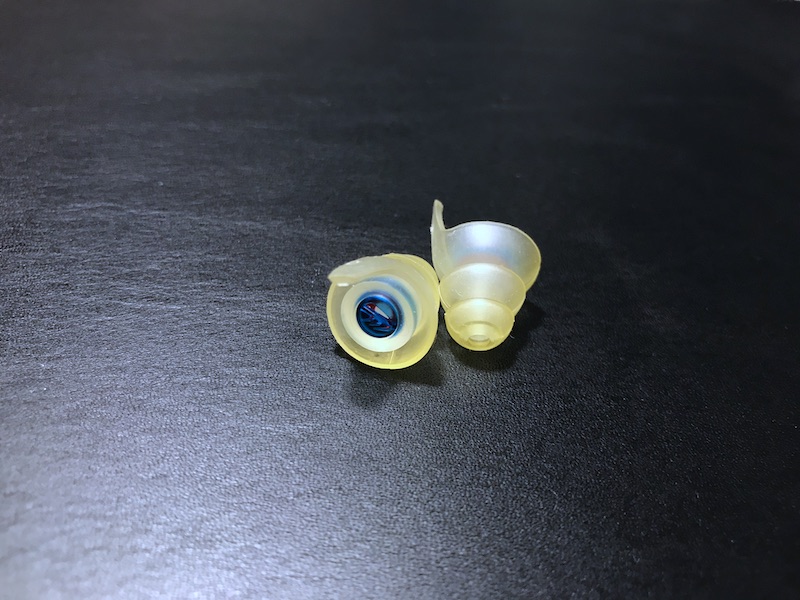
I wake up to small noises. Foam earplugs helped me fall asleep but often fell out when I turned over. Silicone earplugs shaped like in-ear headphones fit better and stayed in until morning.
These are “flanged” earplugs

I wanted sleep-specific ones, so I bought a model labeled “Sleep.” About 3,000 yen, but the elastomer silicone has not worn out after two months of reuse, and I am happy with them.
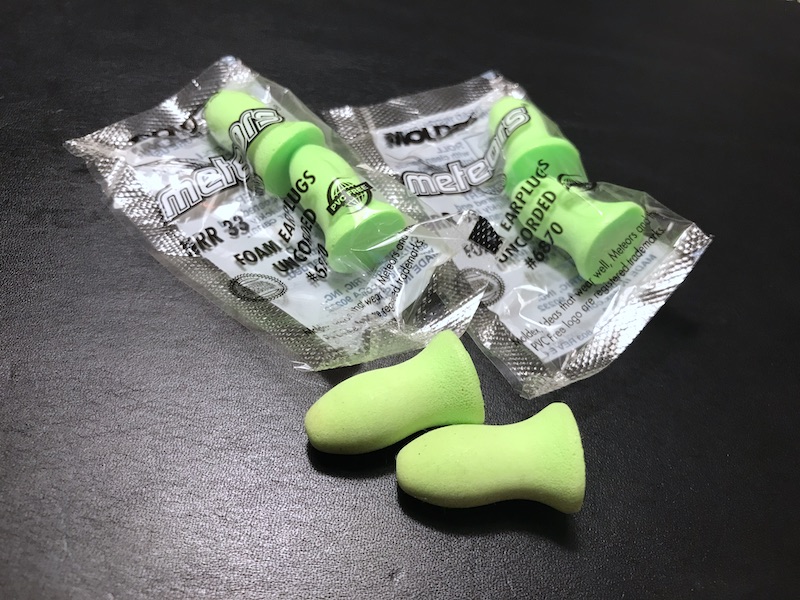
The classic image of earplugs is the sponge type. I used orange/yellow years ago, then green recently. These foam type plugs are rolled thin, inserted, then expand. They soften with use, losing fit and sound blocking—meant to be disposable.
The new ones are flanged type, made of elastomer/silicone. They keep their shape and can be washed, so you can reuse them for a long time. “Flange” refers to the protruding rings on a cylinder—like pipe or muffler joints.
Sleep models cut about 25 dB
The pair I bought is rated 25 dB. This maker sells versions for DJs, fireworks, motorsports, hunting, etc., from 15-25 dB. Sleep uses the highest 25 dB—very effective.

Before the sleep model I tried the Classic above. Reviews were good, but it only cuts 18 dB and the size did not fit me, so it was shelved.
Foam plugs can cut around 30 dB when new, clamping the ear canal and blocking most sound. If they did not degrade—or if disposable was fine—they would be great.
How flanged plugs adjust attenuation
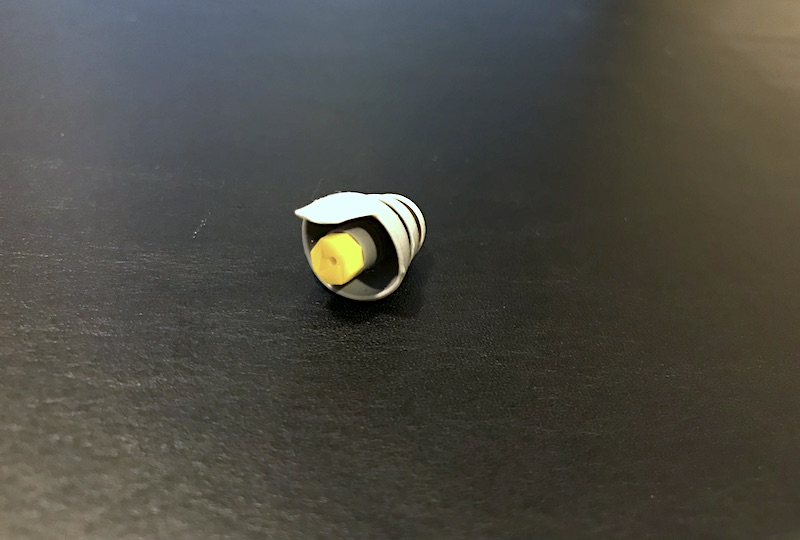
There is a stem with a hole through the silicone. The hole size/shape sets the attenuation.
Bananaz Pro includes two filter stems (18 dB and 26 dB) you can swap. Use 26 dB to block more, 18 dB when you need to hear voices. Crescendo sleep is 25 dB; their office version is 20 dB; brass/jazz is 15 dB—lower when you must still hear.
Some products include multiple sizes
Bananaz had one size. Crescendo included two sizes; I have small ear canals (also use small ear tips on headphones), so the small size fit perfectly and stayed sealed all night. The larger Bananaz felt too big.
Ears can itch
With Moldex foam I sometimes had itchy ears. Silicone also sometimes itches, especially if ears are damp after a bath; timing the insertion reduced it. When they itch, I like that silicone plugs can be washed—just a drop of dish soap and water.
Fashion earplugs exist
Silicone plugs are small and unobtrusive. Some make them more noticeable, like accessories:

More people use earplugs at concerts, so these stylish ones target that demand. Colors include gold, silver, red, pink, etc. They ship with 12 ear-tip sizes—nearly guaranteed fit. Tempting.
I bought Loop Quiet, then lost one…
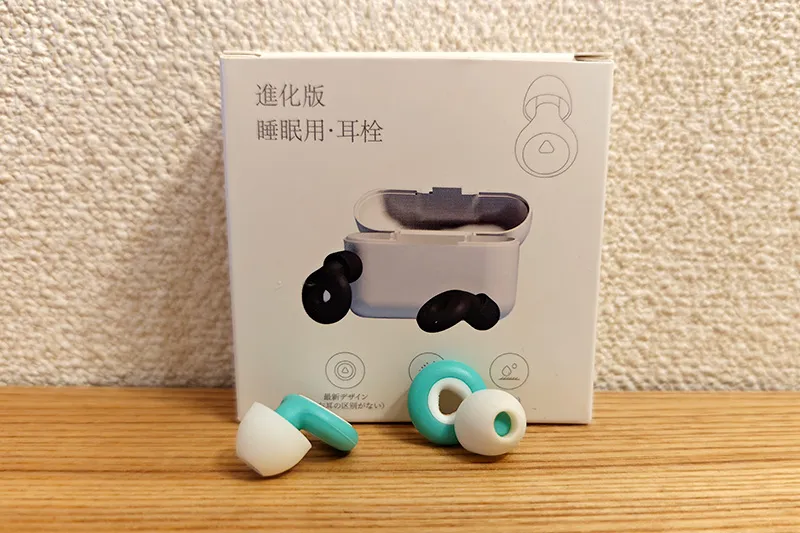
I used Loop Quiet for a while. Pricey, but the ear tips fit perfectly, and I thought it was a great buy. Then I lost one while out. Ouch.
Buying another 3,000 yen pair felt rough, so I grabbed a 1,000 yen set (500 yen on sale).
The shape is almost identical to Loop. It comes with three ear-tip sizes, and the attenuation is decent.

Loop-style plugs hook onto the little ridge of your outer ear. You twist them in, which takes a bit of practice; after about three days I got it.
That hooked design is excellent and keeps them in place even when I roll over. The tips can loosen, but instead of falling out completely, the plug stays caught on the ear. I liked them enough to buy three pairs for backups and travel. The real Loop—maybe later.
Takeaways
I only knew foam plugs, kept using worn-out ones that fell out, or bought 100-yen spares that fell out again. Silicone flanged plugs were a huge improvement: fit, durability, washability. The “fashion earplug” genre was also a fun discovery; for live shows, appearance matters—worth exploring more.
Some Loop-style options are getting more common, with slightly better performance and more secure fit. Trying a budget pair is a decent way to see if the shape works for you.